Archives 1839 Views
Saturday, 28 March 2026 - 7:30pm
The Great Hall . . .
Cornerstone Building
Liverpool Hope University
Creative Campus
17 Shaw Street
Liverpool
L6 1HP
Hope Metropolitan Orchestra, conducted by Stephen Pratt
Daniella Sicari, Soprano*
*Please note the change of soloist
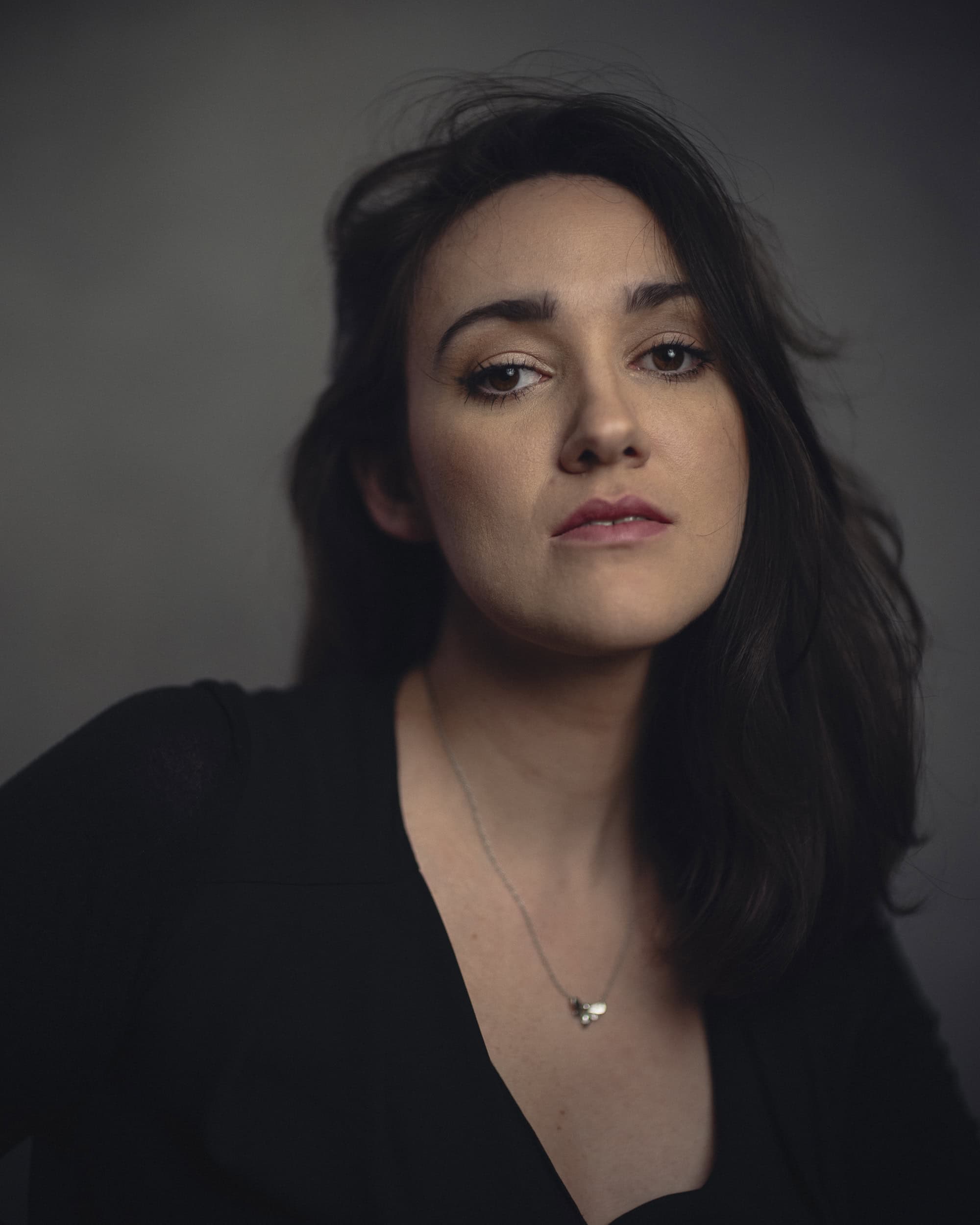
Image: Tom Trevatt Photography
Programme:
Wagner: Siegfried Idyll
Mahler: 4 Songs from Des Knaben Wunderhorn
Wer hat dies Liedel erdacht? (1892)
Rheinlegendchen (1893)
Wo die schönen trompeten blasen (1898)
Verlorne Müh’! (1892)
Schumann: Symphony No. 4
Our November concert celebrated the work of the composer who launched the Romantic period in music, Beethoven, who together with Schubert and Weber brought a new sense of invention, expression and liberation into music. This path was taken up by the likes of Schumann and Mendelssohn, then Brahms and Wagner, and at the end of the century Mahler, Bruckner and the young Richard Strauss. On this journey there were fellow-travellers from other traditions – Berlioz, Liszt, Dvorak for example – but the Austro-Germans dominated the field.
Tonight’s concert celebrates the work of three of these – all of whom could be described as ‘progressives’. Schumann’s initial ambition was to be a ‘composer-pianist’, but a chronic problem with his right hand thwarted this and he turned exclusively to composition. Inevitably, perhaps, his initial successes were with his piano music and he only turned to orchestral music some ten years later when he was 31 (he died in 1856 at the age of 46 having been significantly affected by mental and physical illness for the last 15 years of his life). The 4th symphony was initially written after his first symphony in 1841, but extensively rewritten and published in 1851, edited by Schumann’s wife Clara. In 1891, Brahms republished the Symphony in its original 1841 form (he much preferred it), and it is this version that we will be performing at our concert.
As Christmas presents go, Wagner’s Siegfried Idyll sets the bar quite high. Composed as a birthday gift for his second wife Cosima following the birth of their son Siegfried in 1868, the piece received its first performance on Christmas day, 1870 in the couple’s villa in Tribschen in Switzerland. A group of players from the Tonhalle-Orchester Zürich performed on the stairs of the villa, with their principal conductor Hand Richter reportedly having learned to play the trumpet for the event. Wagner’s score included several references to matters of personal significance to him and his wife, and it is said that Cosima awoke to the sound of the initial theme.
Whilst Wagner is credited with having extended the size and expressive scope of the orchestra, deploying it almost exclusively in the opera theatre, Mahler took these innovations into the concert hall. His symphonies are renowned for their epic qualities – the nickname ‘the symphony of a thousand’ (No.8) rather confirms this! That said, there was also a folksy, less intense side to the composer and the 14 songs written under the title of Des Knaben Wunderhorn (The Youth’s Magic Horn) offer an excellent example. They were composed between 1892-1898, and the four we will hear in the concert are all written for a mezzo-soprano and have folk-song like texts, taken from an early C19th collection.
Stephen Pratt
Ticket Prices*
General Admission: £13.20
Liverpool Hope University current staff and students: Free
Family (2 adults plus children): £26.40
School or college students: £3.30
*Includes booking fee